Interior Design

Insights, tips, and inspiration

Interior Design Trends for 2026: Macro Trends That Stand the Test of Time

Interior Design Trends for 2026: Macro Trends That Stand the Test of Time

By Louise Wynne, Founder of WildKind InteriorsRight, let’s get one thing straight before we dive in. The only trend that truly matters is designing for your buyers, tenants, or guests. Full stop.But hear me out, because 2026 is looking rather different. There’s a shift towards design that actually makes commercial sense. Design with staying power. Design that won’t have you ripping it all out in 18 months because it screams “so 2026.” See, for example, this article by Homes and Gardens. Before y
Why stripes never go out of style

Why stripes never go out of style

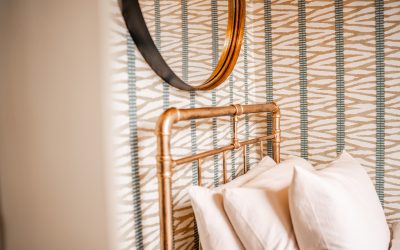
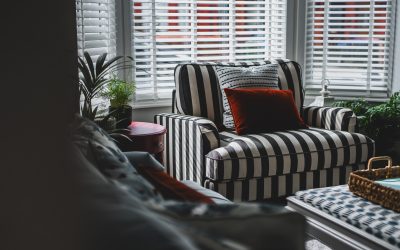
Written by Louise Wynne, founder of WildKind Interiors.Timeless, versatile, and always chic; stripes are one of those patterns that just never date. If you’re looking to bring pattern into your home but don’t want to commit to something you’ll get tired of, stripes are the answer. I’m stripe-obsessed (no shame here!) and I honestly don’t think there’s a room they don’t work in.Here are a few of my favourite stripe-inspired finds right now, and some ideas for how you can use them in your own inte

The 7 Elements of Interior Design: Let’s Talk About Pattern

The 7 Elements of Interior Design: Let’s Talk About Pattern

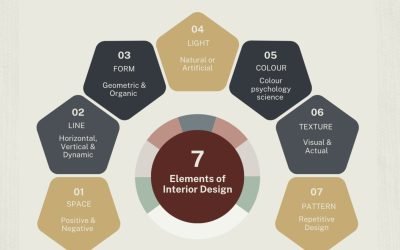
Written by Louise Wynne, Founder of WildKind InteriorsHere we are. The final blog in the 7 Elements of Interior Design series. We’ve covered space, line, form, light, colour, and texture, and now, it’s time for the one that tends to make people the most nervous: pattern.I get it!Pattern can feel a bit “out there.” Especially when you’re trying to appeal to buyers or guests who might not share your taste. But used properly, pattern isn’t just decorative fluffy stuff. It adds character, personalit

The 7 Elements of Interior Design: Why Texture Makes All the Difference

The 7 Elements of Interior Design: Why Texture Makes All the Difference

Written by Louise Wynne, Founder of WildKind InteriorsIt’s been, ahem, some time since we dived into the 7 Elements of Interior Design series. I got slightly sidetracked with other blogs. So here I am, bringing it back and it turns out we’re almost at the end. We’re on Element 6.An element that’s often overlooked but makes a huge difference: texture.If you’ve ever looked at a beautifully styled space and thought, “Why does this feel so inviting?” chances are, texture played a big part in that. I

What Interior Design Choices Actually Add Value?

What Interior Design Choices Actually Add Value?

When you’re preparing a property for sale or rent, every design decision matters. But not every choice needs to be premium, and not every budget option is a compromise. The trick is knowing where to spend and where to save, so your property feels high-end without blowing the profit margin.

The 7 Elements of Interior Design: Let’s Talk About Colour (Part 2 of 2)

The 7 Elements of Interior Design: Let’s Talk About Colour (Part 2 of 2)

Following on from last week’s blog, it seems you lot love learning about colour! If you missed Part 1, click here to read it first. Now, let’s dive into Part 2 with even more tips to help you transform your property into a stylish moneymaker.6. Gloss in hallways If you’ve got a rental property, listen up! Gloss paint might just be your new best friend. Sure, it’s a bit pricier and more faff to apply, but it’s so much more hardwearing, perfect for busy hallways where walls take a beating.And here’

The 7 Elements of Interior Design: #4 How to Master Light

The 7 Elements of Interior Design: #4 How to Master Light

Welcome back to Week 4 of our mini-series on the 7 Elements of Interior Design! This week, we’re diving into an element that can truly transform a space from drab to dazzling: light.When it comes to interior design, light isn’t just about popping a lamp in the corner or flinging open the curtains. It’s about how light interacts with the space, shapes our mood, and changes the way we perceive a room.Think about it: when you walk into a room, the lighting instantly sets the tone. Is it bright and

The 7 Elements of Interior Design: How to Master Form

The 7 Elements of Interior Design: How to Master Form

The 7 Elements of Interior Design: Let’s Talk About FormLast time, we tackled line, the secret ingredient that brings structure and flow to a room. Today, we’re diving into form. Now, I know, form might seem straightforward, but trust me, it’s plays a crucial role in defining the character of a space. Form is what gives a room its unique personality, adding character and making spaces feel intentional, balanced, and even a bit charming.So, let’s break down form and see how it can take your space

The 7 Elements of Interior Design: How to Master Line

The 7 Elements of Interior Design: How to Master Line

In the first blog of this series, we discussed how space forms the foundation of any interior design. You can catch up on that one here. Now, we’re diving into the second element: line, something that might seem insignificant but plays a crucial role in shaping the overall look, feel, and functionality of a space.Lines are everywhere in design, creating structure, guiding the eye, and influencing how we interact with a room. Whether horizontal, vertical, or dynamic, lines can transform a space an

The 7 Elements of Interior Design: #1 How to Master Your Space

The 7 Elements of Interior Design: #1 How to Master Your Space

Ever walked into a room and immediately felt at ease, or the opposite, like something just didn’t sit right? That’s the magic (or mishap!) of interior design. What you might not know is that there’s a method to the madness. Interior designers follow key principles to bring balance, harmony, and functionality to every space they touch. These are called the 7 Elements of Interior Design, and they’re the secret sauce to creating rooms that just work.In this blog series, I’ll be diving into each of th

How to make small kitchens feel bigger

How to make small kitchens feel bigger

So you’re developing a new property and it’s slightly lacking in the kitchen department…Never fear! Small doesn’t have to mean boring. Or unimpressive! Small things come in beautiful packages and we’re here to show you how you can achieve an awesome result in spite of your compact kitchen…Come into the light! This is the first, and quite frankly the most obvious, of my tips. I won’t win any prizes for originality here, but it’s important to point out the basics. Using pale colours can really

Keen on green? Here’s why…

Keen on green? Here’s why…

I wanted to know what people’s go-to colour for decorating was, so I created a quick poll on LinkedIn:  I wasn’t surprised by the result: ‘Neutral’ came out top. And I was OK with that, just! The right neutral is a great base (just not cold grey, please). I was interested to see that green was a more popular choice than blue, as time and again I see landlords across the land are seemingly obsessed with dark blue paint (Farrow and Ball Stiffkey Blue, anyone?) If this is you, I’d love you to take

50 Shades of Meh

50 Shades of Meh

So how exactly did grey paint became so popular in the early noughties? I’m not too sure!It might have something to do with the fact that it sits well with other colours, arguably more so than other ‘neutral’ colours like stone and beige.Unlike every other colour known to the human eye, true grey (that’s grey made from black and white only) has zero positive psychological qualities. In other words, from an emotional perspective, it can’t possibly make you feel good. That’s why when people create

Colour is emotion

Colour is emotion

Did you know that WildKind is Colour Psychology Accredited? After two years of training with Karen Haller, one of the world’s best colour psychologists, I was thrilled to become an accredited Colour Psychology Specialist last September. Colour has always been super important to me. I just didn’t know why, until I met Karen. And what was the most powerful thing I learned from her? ‘Colour is emotion’ Sounds bonkers, but it’s scientifically true. Wavelengths of light (colour) are sent from our ret