In the first blog of this series, we discussed how space forms the foundation of any interior design. You can catch up on that one here. Now, we’re diving into the second element: line, something that might seem insignificant but plays a crucial role in shaping the overall look, feel, and functionality of a space.
Lines are everywhere in design, creating structure, guiding the eye, and influencing how we interact with a room. Whether horizontal, vertical, or dynamic, lines can transform a space and affect how you and your guests feel when they step into it.
Let’s explore the three types of line and their impact on interior design.
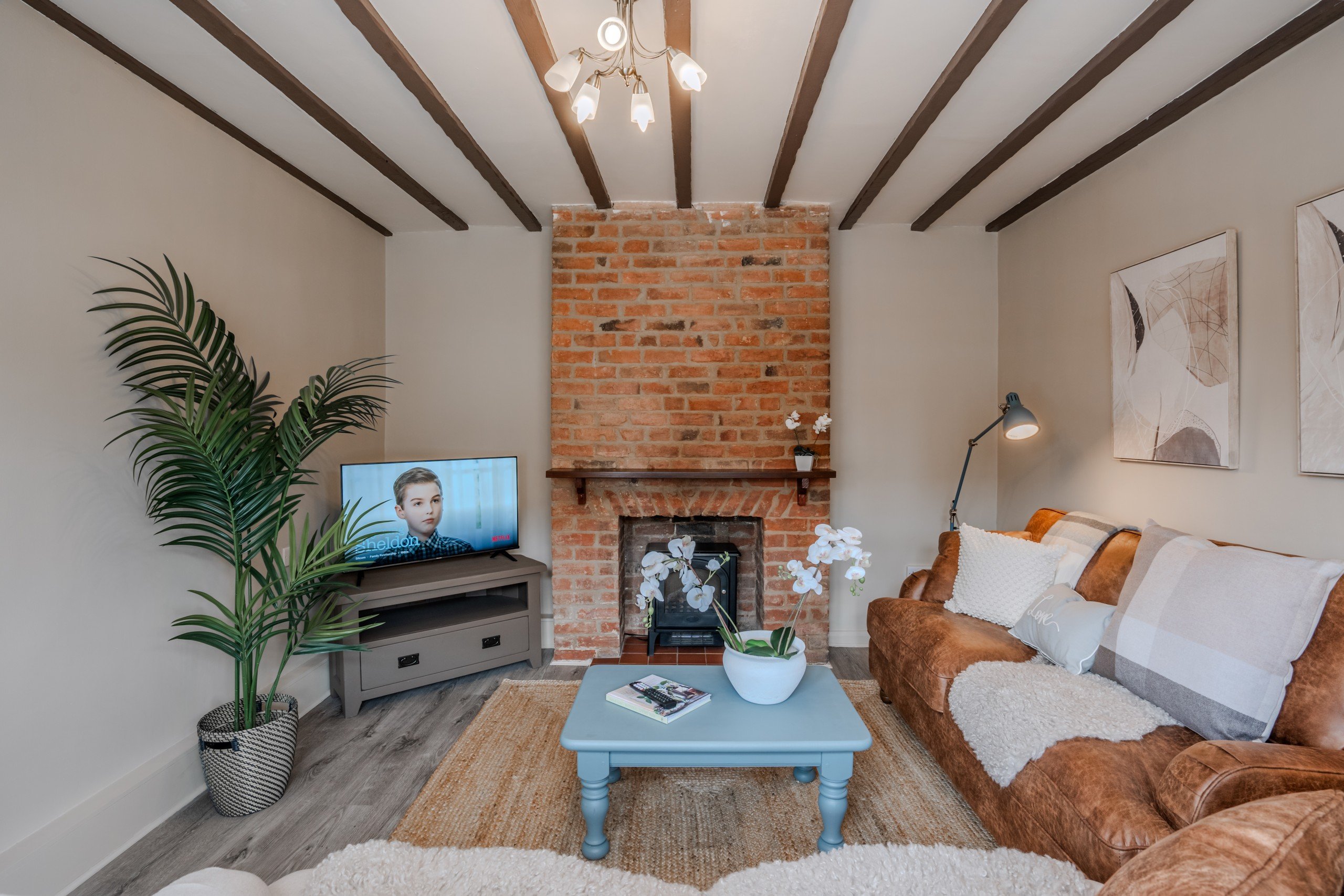
Horizontal Lines: Creating Calm and Stability
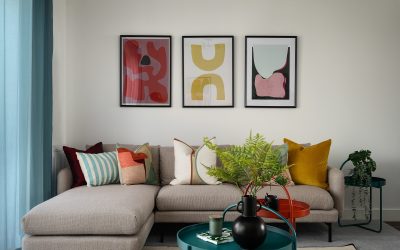
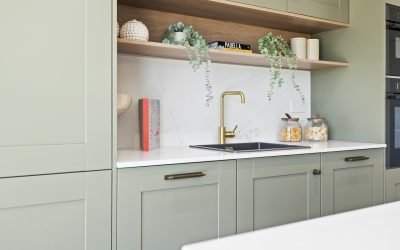
Horizontal lines are the quiet achievers of interior design. They work to create a sense of calm, stability, and balance in a space. Think about wide tables, low sofas, or even long shelves. These elements give a room a grounded, expansive feel. Horizontal lines work wonders in spaces where you want to create a relaxed, inviting atmosphere, perfect for living rooms or bedrooms.
Tip: Incorporating horizontal lines in your design can make rooms feel wider and more open, helping to ground the space and give it a sense of flow. Consider how these lines can promote relaxation and ease in social spaces.
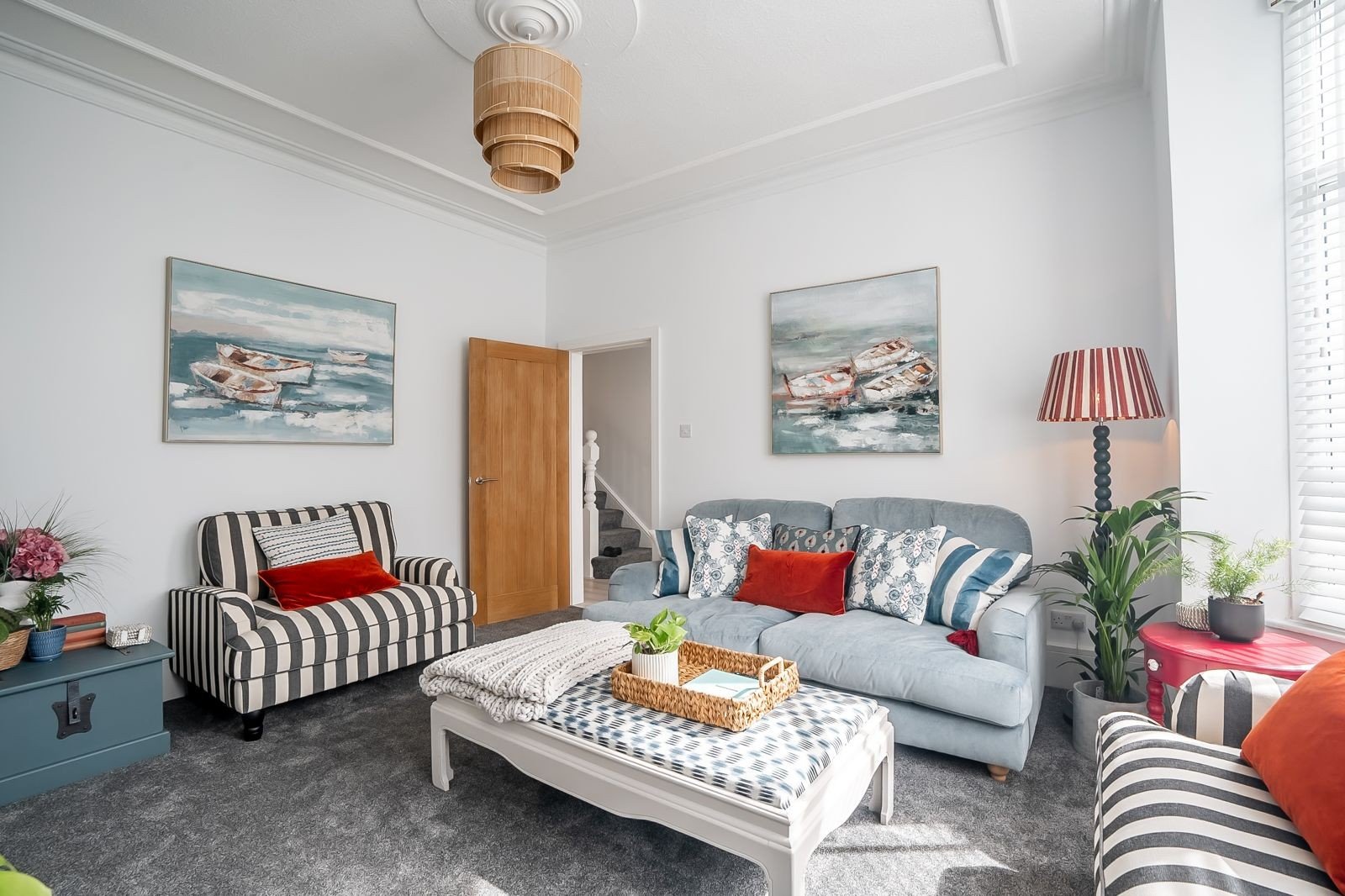
Vertical Lines: Adding Height and Drama
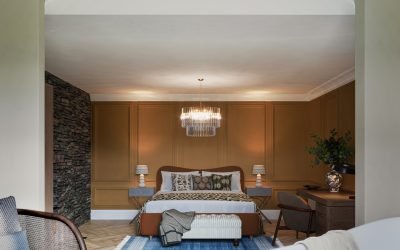
If horizontal lines are about calm and stability, vertical lines are all about height and grandeur. By drawing the eye upward, vertical lines add a sense of height and space to any room. Think tall bookshelves, floor-to-ceiling windows, or even vertical stripes on wallpaper. These lines help make a room feel taller, more elegant, and airy.
Vertical lines are perfect for creating drama and formality in spaces like dining rooms or offices, where height can give a sense of authority and sophistication.
Tip: Use vertical lines in spaces where you want to create a feeling of openness and elegance. They can make ceilings seem higher, which is especially useful in smaller rooms or spaces with low ceilings.
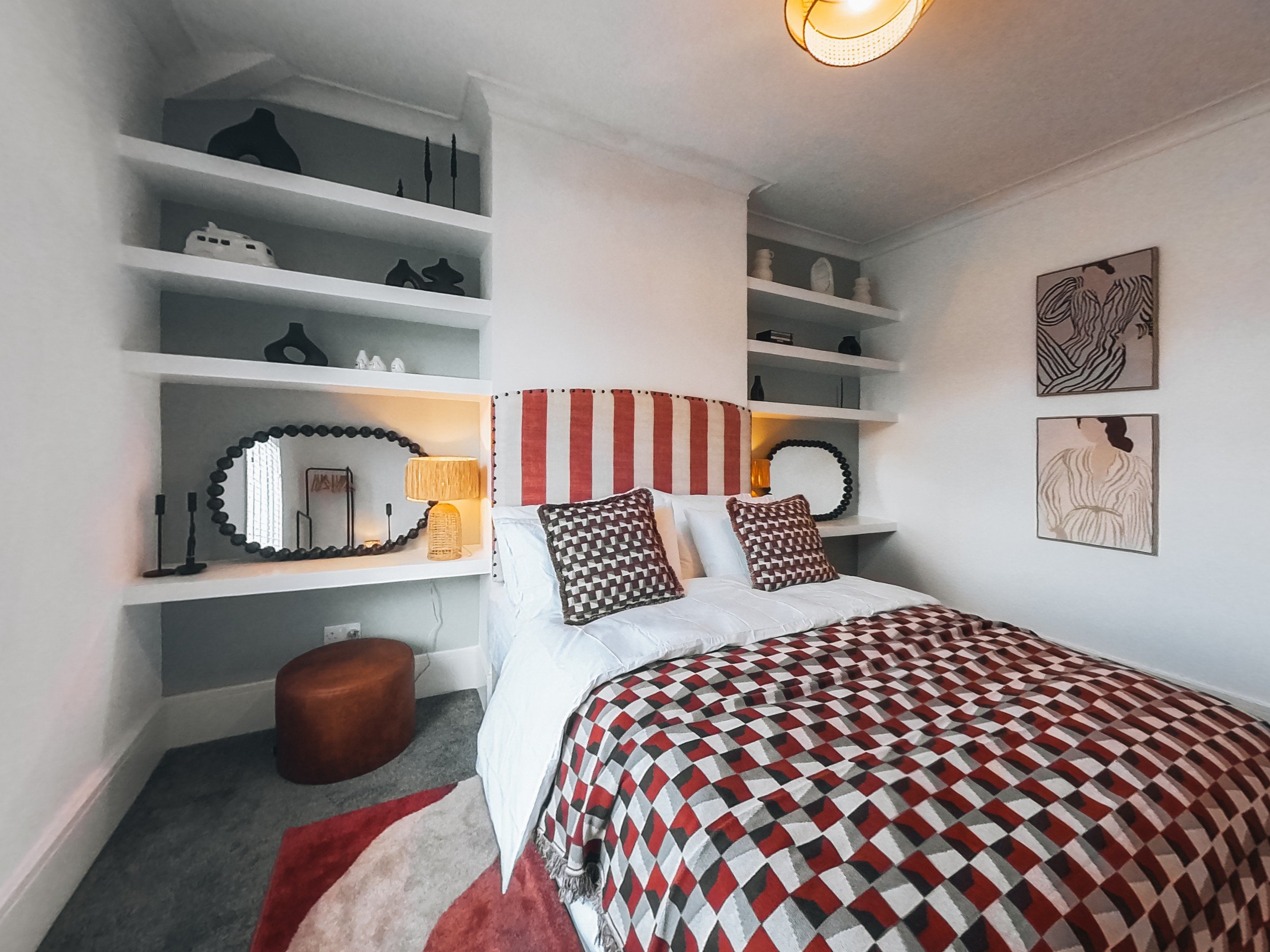
Dynamic Lines: Infusing Energy and Movement
Dynamic lines bring life and movement into your space. Whether they are curved, diagonal, or zigzagging, these lines create visual energy and excitement. You can find dynamic lines in things like curved furniture, artwork, or bold geometric patterns.
These lines are perfect for areas where you want to create a sense of fun and engagement.
Tip: Use dynamic lines sparingly to create focal points and keep the energy balanced. Too many dynamic lines can overwhelm a space, so it’s best to use them where you want to inject a bit of life and interest without overpowering the rest of the design.
The Importance of Line in Design
Understanding the use of line is essential for creating spaces that are not only aesthetically pleasing but also functional. Lines guide the eye, define areas, and create movement within a room. They can make small spaces feel expansive, add drama to simple designs, or create calm in busy environments.
Balance and Harmony: Line helps establish balance and harmony in a room. By mixing different types of lines, horizontal for comfort, vertical for elegance, and dynamic for interest, you can create a well-rounded design that feels (interior speak incoming) ‘cohesive’.
What’s Next?
Now that we’ve covered line, stay tuned for the next blog in this series, where we’ll dive into forms and how they help shape your space. Forms are all about structure and shape, so you won’t want to miss it!
Ready to Transform Your Space?
Want to use line to bring balance, energy, or calm to your home or property? At WildKind Interiors, we specialise in creating spaces that are not only stunning but functional. Let’s chat and transform your interiors into a place you (and your guests) won’t want to leave!
📞 Call us: 07957 689 065
📧 Email: louise@wildkindinteriors.co.uk