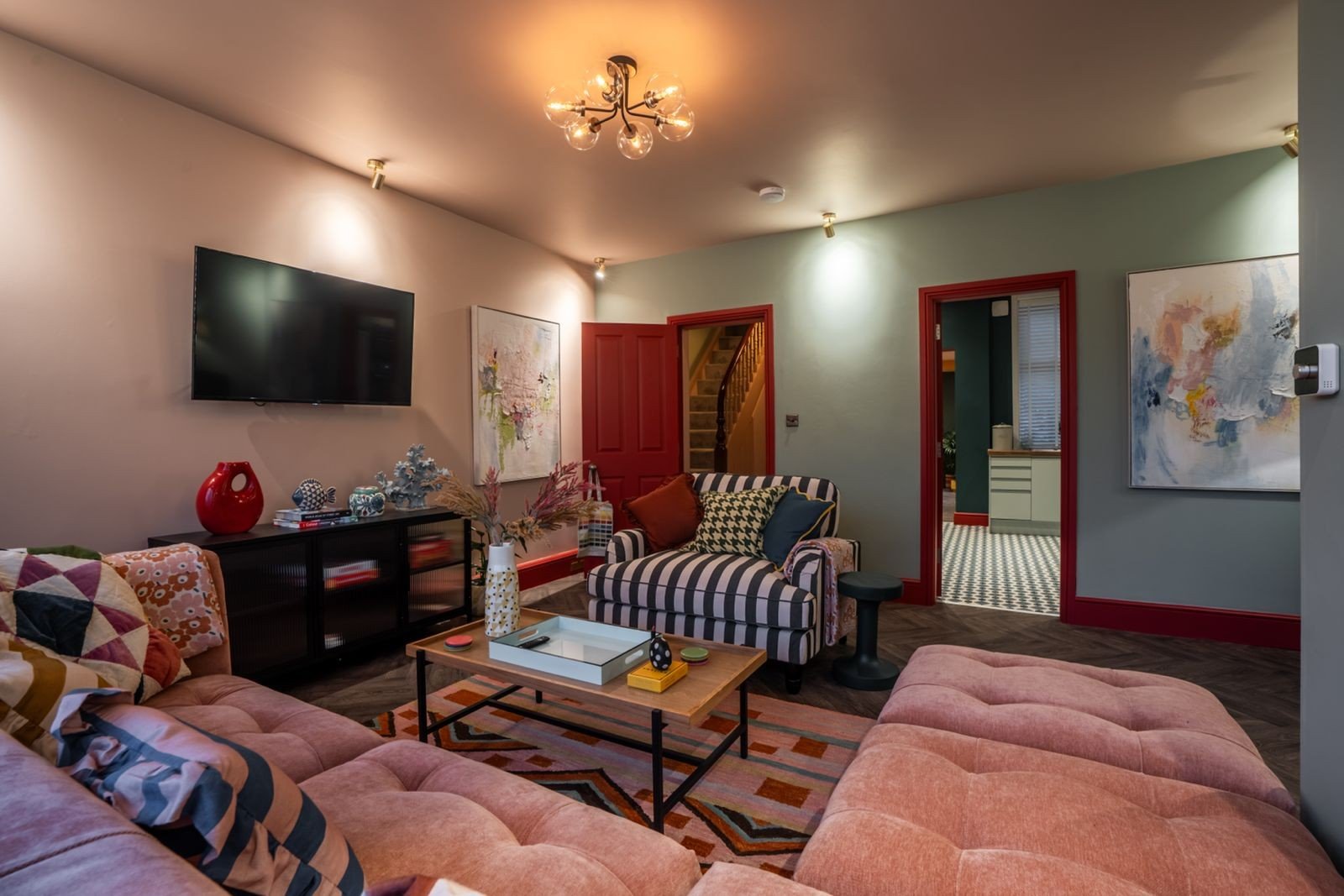
Welcome back to Week 4 of our mini-series on the 7 Elements of Interior Design! This week, we’re diving into an element that can truly transform a space from drab to dazzling: light.
When it comes to interior design, light isn’t just about popping a lamp in the corner or flinging open the curtains. It’s about how light interacts with the space, shapes our mood, and changes the way we perceive a room.
Think about it: when you walk into a room, the lighting instantly sets the tone. Is it bright and energising or soft and calming? First impressions matter, right? Light plays a big part in creating them.
So, let’s break down the magic of light and how you can use it to your advantage.
Light: The Unsung Hero of Interior Design
Light can be divided into two main types: natural and artificial.
• Natural light comes from windows and skylights, bringing warmth, enhancing colours, and making spaces feel open and inviting.
• Artificial light covers everything from overhead fixtures to table lamps, helping when natural light isn’t available or the sun has set for the day.
A savvy designer knows how to balance both to create a harmonious, functional, and visually stunning space. Here’s how you can, too!
Natural Light: Your Best Friend
Natural light doesn’t just look good; it feels good. It boosts mood, productivity, and makes spaces look bigger and brighter.
Here are a few ways to maximise it:
• Sheer curtains: Let the sunlight filter through while maintaining privacy.
• Strategic mirrors: Mirrors reflect light deeper into the room, making it feel more spacious.
• Light-coloured walls: These bounce natural light around, enhancing its effect.
Natural light isn’t just for aesthetics, it’s about creating a space that feels alive and energised.
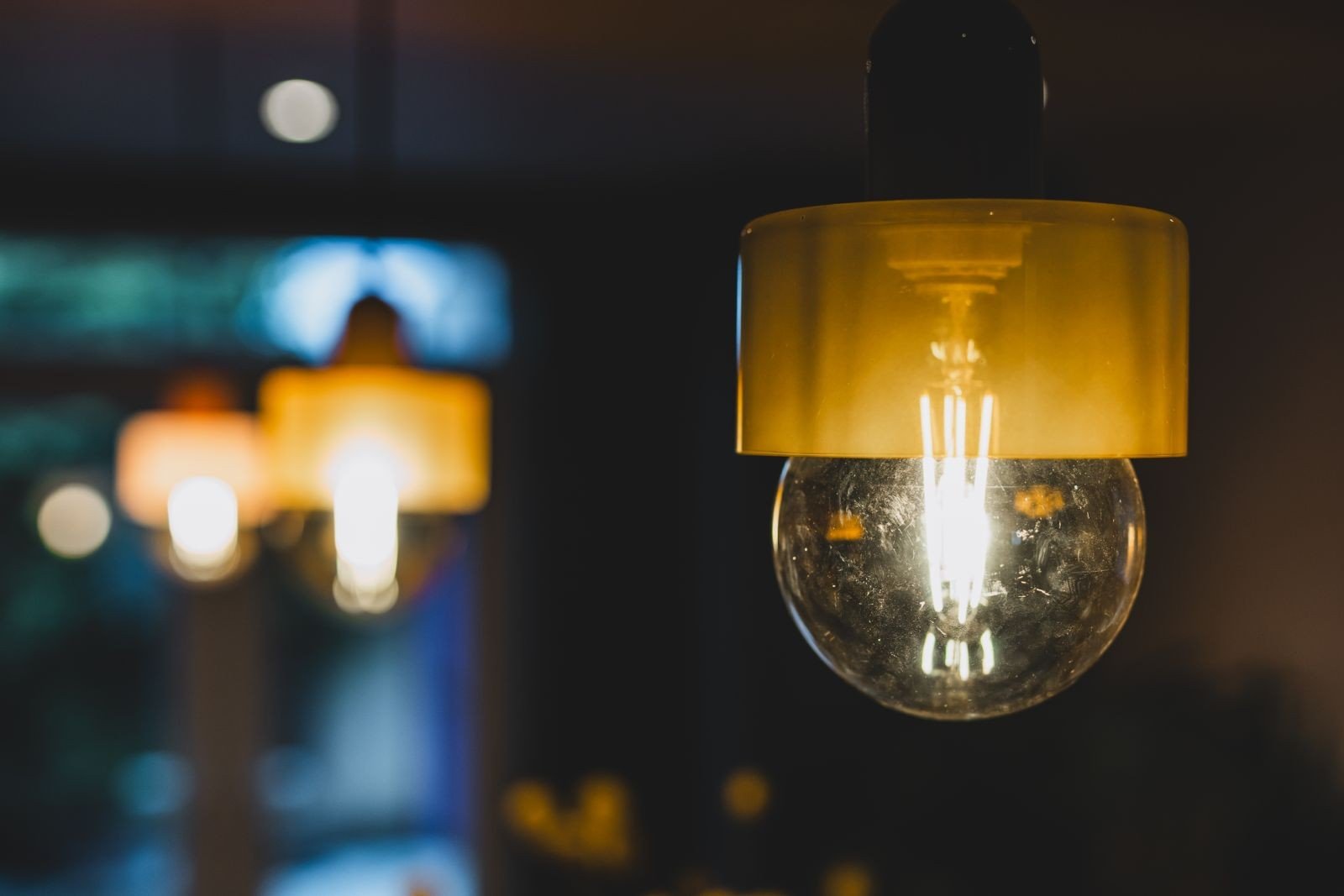
Artificial Light: The Game-Changer
In our Northern Hemisphere winters (and let’s be honest, even autumn and spring!), artificial light is essential. But it’s more than just flicking on the “big light.”
Artificial lighting can be broken into three types:
• Ambient lighting: The general light that fills the room, think ceiling fixtures or recessed lights.
• Task lighting: Focused lighting for specific activities like cooking or reading, such as desk lamps or under-cabinet lights.
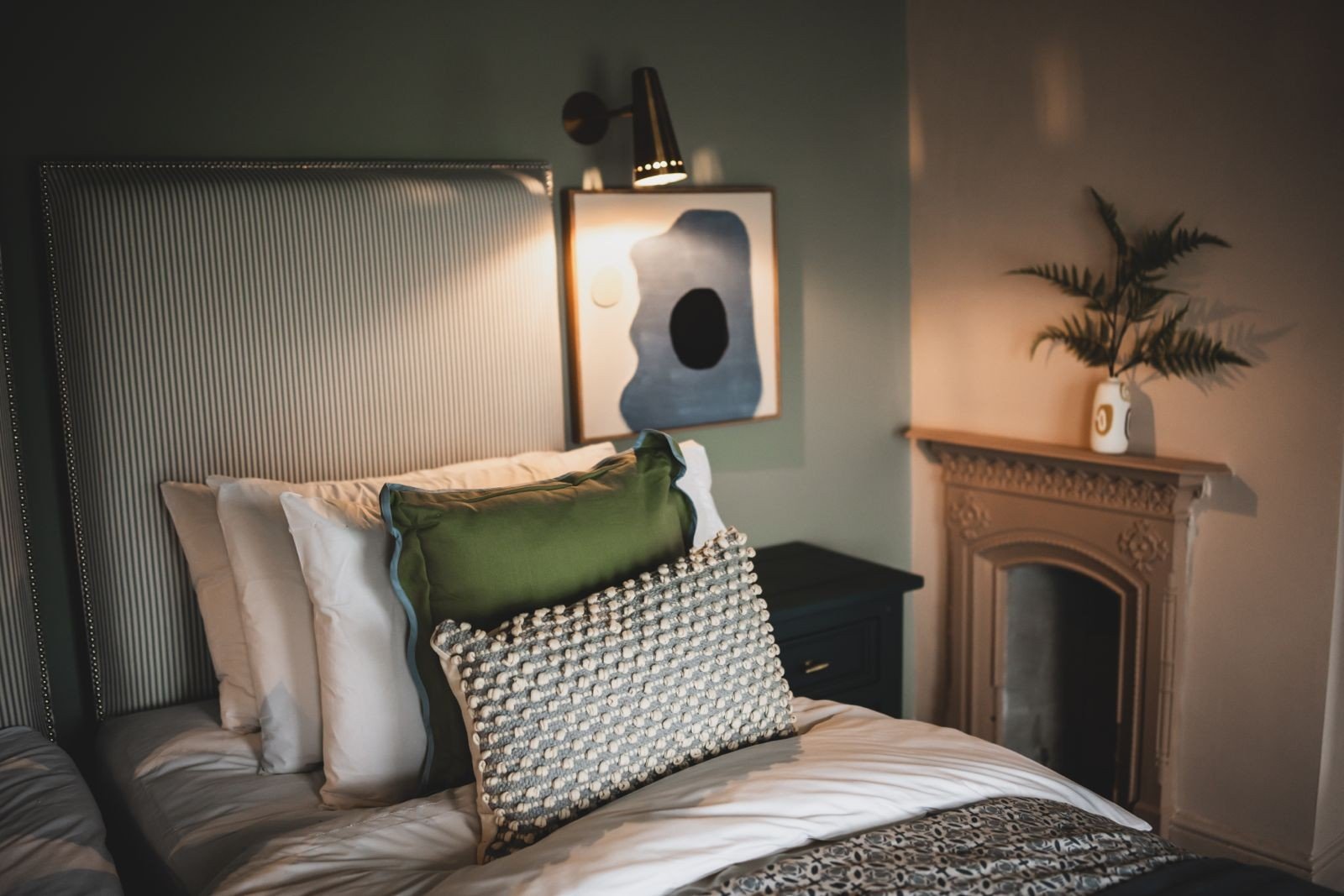
• Accent lighting: Spotlights or wall sconces to highlight features like artwork or architectural details.
The secret? Layering! A well-lit room combines all three types to create depth and interest.
And for the love of design, ditch the cold, blue “big light” when watching TV! (Yes, I’ve seen it, and it makes me sad.)
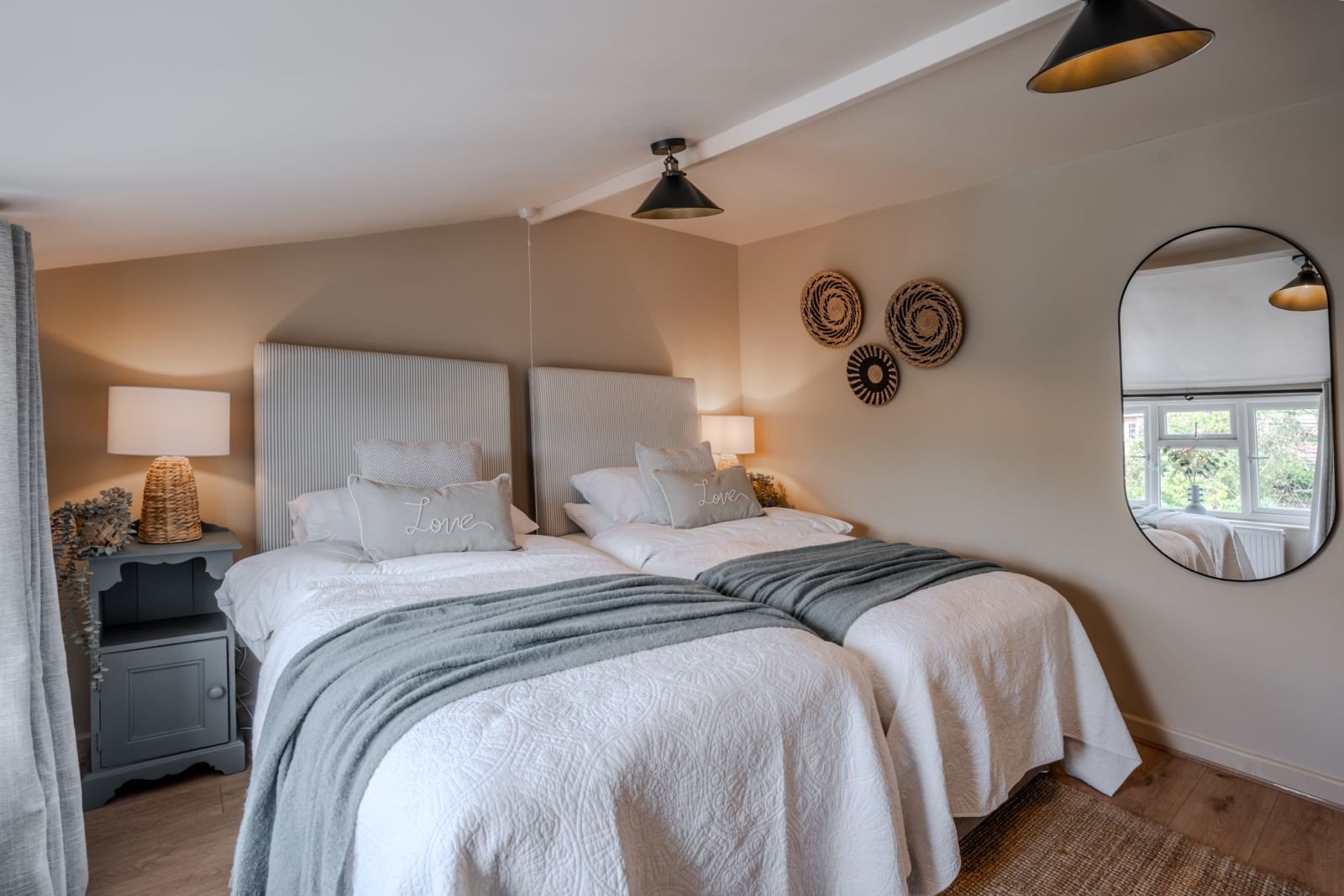
The Balance of Light
Too much artificial light? Harsh and clinical. Not enough? Dim and unwelcoming.
Dimmers are your best friend, they let you adjust lighting levels throughout the day, switching between cosy and bright with ease. It’s all about flexibility.
Using Light to Your Advantage
Light can do so much more than illuminate. It can enhance a property’s appeal, function, and comfort.
For property developers or landlords, here’s how light works to your advantage:
• Highlight features: Use accent lighting to draw attention to original details, guests love them!
• Create ambiance: Soft, warm lighting makes living areas feel cosy and inviting.
• Boost functionality: Proper task lighting in kitchens and workspaces prevents everything from frustration to near-missed carrot-related disasters.
• Enhance curb appeal: Exterior lighting improves safety and makes properties more attractive at night.
Know Your Client Avatar
Yes, I’m banging on about Client Avatars again, but they’re key! When planning lighting, think about who’s using the space:
• Corporate guests: They’ll appreciate good task lighting for evening work sessions.
• Families: Flexible lighting works wonders, from reading nooks to night lights in kids’ rooms.
• Older tenants: Brighter lighting for hallways, stairs, and landings ensures visibility and safety.
Knowing your target audience means you can design lighting that works for them, not just looks pretty.
Why Light Matters
In summary, light is a powerful tool in interior design. It impacts everything, from the aesthetics of a room to its functionality and the well-being of its users.
Top tip: Always consider the purpose of each room when planning your lighting. Does it need to be bright and practical? Soft and atmospheric? Or a mix of both? Thoughtful lighting transforms a space into something extraordinary.
Stay Tuned!
Next week, we’re diving into colour, the element that brings energy, emotion, and vibrancy to your interiors. You won’t want to miss it!
Need Help Bringing Light to Your Design?
At WildKind Interiors, we’re experts in using light to transform spaces that look and feel amazing. If you’re ready to create a space that’s both functional and fabulous, let’s chat!
📞 Call us: 07957 689 065
📧 Email: louise@wildkindinteriors.co.uk