If you’re a property developer still reaching for grey paint, this one’s for you.
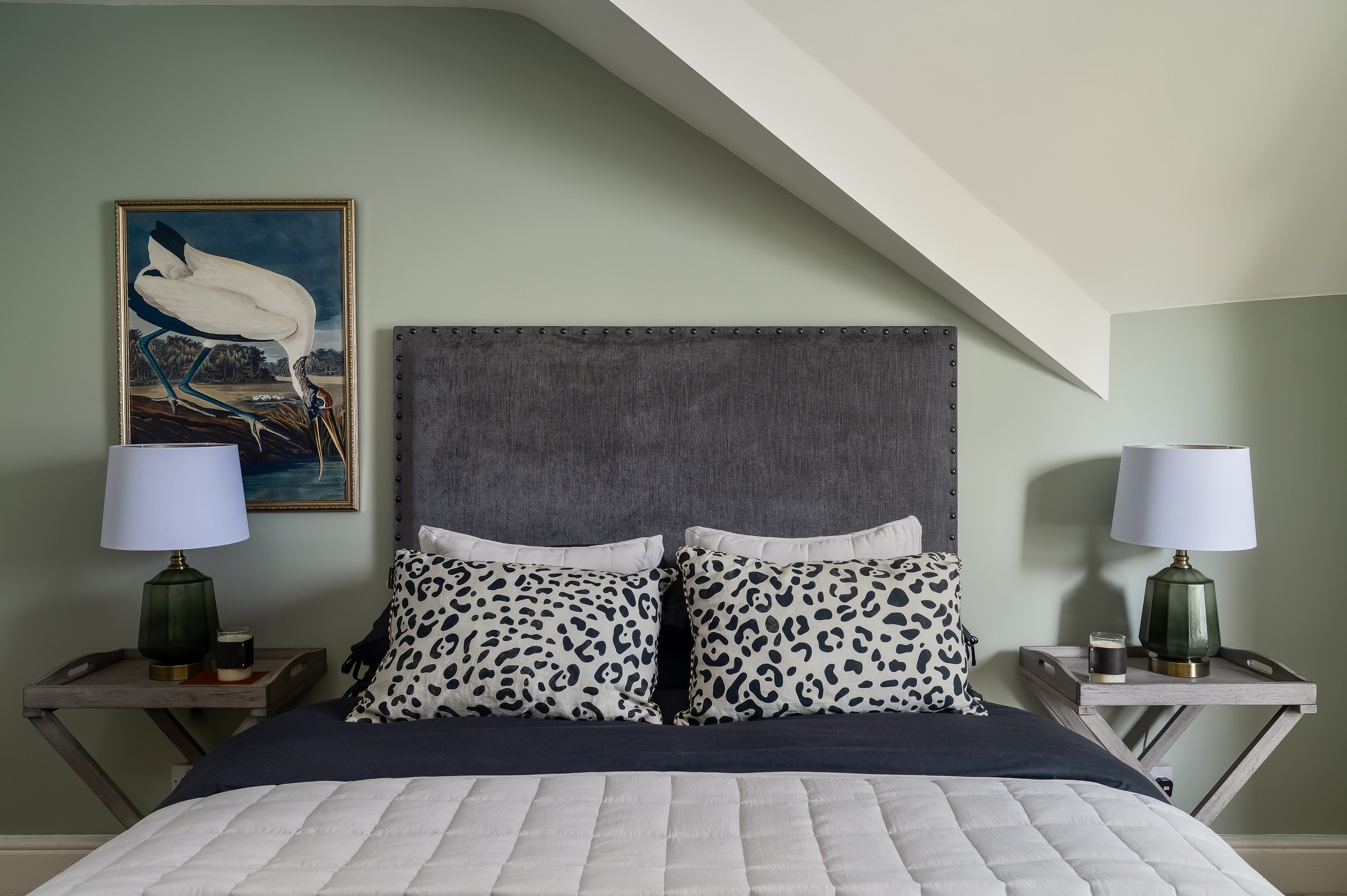
At WildKind Interiors, we work with developers at every stage; from when ground hasn’t even been broken, to when the property is finished and ready to be staged for sale.
And time after time, I see the same thing:
Walls, carpets, kitchens, tiles… all some variation of grey.
The reason? Developers are playing it safe. “Grey is neutral. It won’t offend anyone,” they say.
But here’s the thing:
Grey Doesn’t Inspire Buyers. It Deflates Them.
Unlike every other colour on the spectrum, true grey (the kind made purely from black and white, with no colour pigment) has zero positive psychological effects. None. Nada. Zip.
All other colours, even beige and magnolia, have both positive and negative emotional associations. For example, yellow can feel cheerful and optimistic in the right setting. Overdo it, and it can feel overwhelming. Colour psychology isn’t a trend. It’s science. It’s been proven to impact how people feel in a space.
And grey? It’s flat. It can feel cold, bleak, uninspiring… even hopeless.
Not exactly the vibe you’re going for when you’re trying to sell or rent a property, is it?
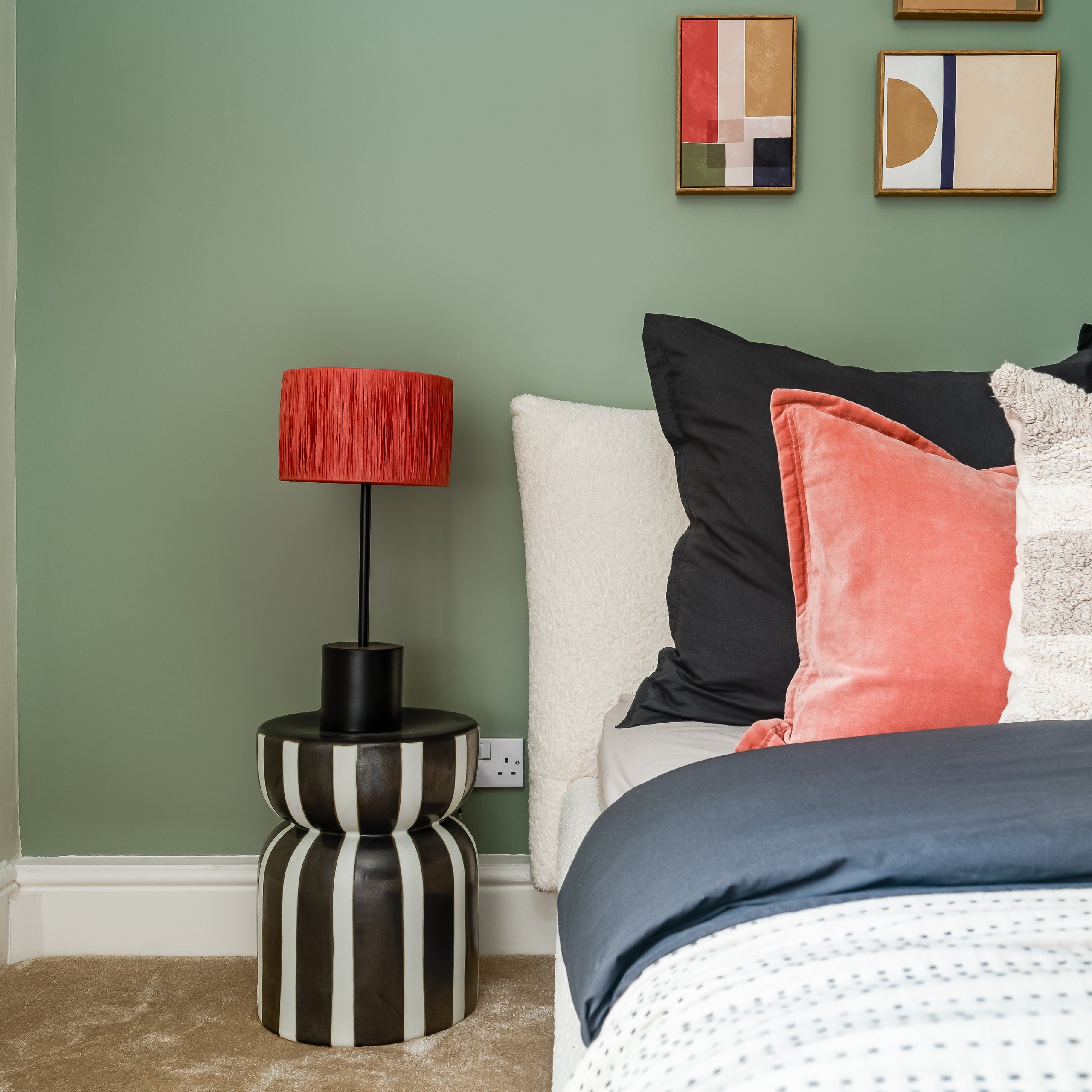
You’re Great at What You Do, But You’re Not a Designer (and That’s OK)
Let me be clear: developers are brilliant at what they do. I work with all sorts of people, from those who started on the tools to former QSs, engineers, and project managers. But none (so far!) have been trained in interior design or colour psychology for property.
And why would you be? You’re already juggling planning, budgets, teams, timelines, and about 1000 other things.
So when it comes to interior decisions, many developers do what we all do when we’re unsure: copy.
You go with what others in your network are doing, or ask your decorator. The problem? Your peers and tradespeople usually aren’t trained in interiors or colour psychology either.
That’s how we’ve ended up with a sea of grey homes. They don’t offend, but they don’t inspire either.
Buyer Psychology and The Myth of the ‘Neutral’ Colour Scheme
There’s a long-standing belief in property development that neutral = safe and safe = sale. Even worse, for many years, glossy design mags and top end developers framed grey and beige as “luxury.” Like adding colour means your project was somehow lower quality or not aspirational.
WHAT EVEN IS THAT ABOUT? (Sorry. Got a bit overexcited.)
Here’s the truth: if a space doesn’t make your buyer feel good, they won’t connect with it.
They might walk through and think, ‘It’s fine.’ But you don’t want ‘fine.’
You want ‘I love it.’
You want that emotional hook that gets them booking a second viewing or making an offer and you won’t get that by playing it safe.
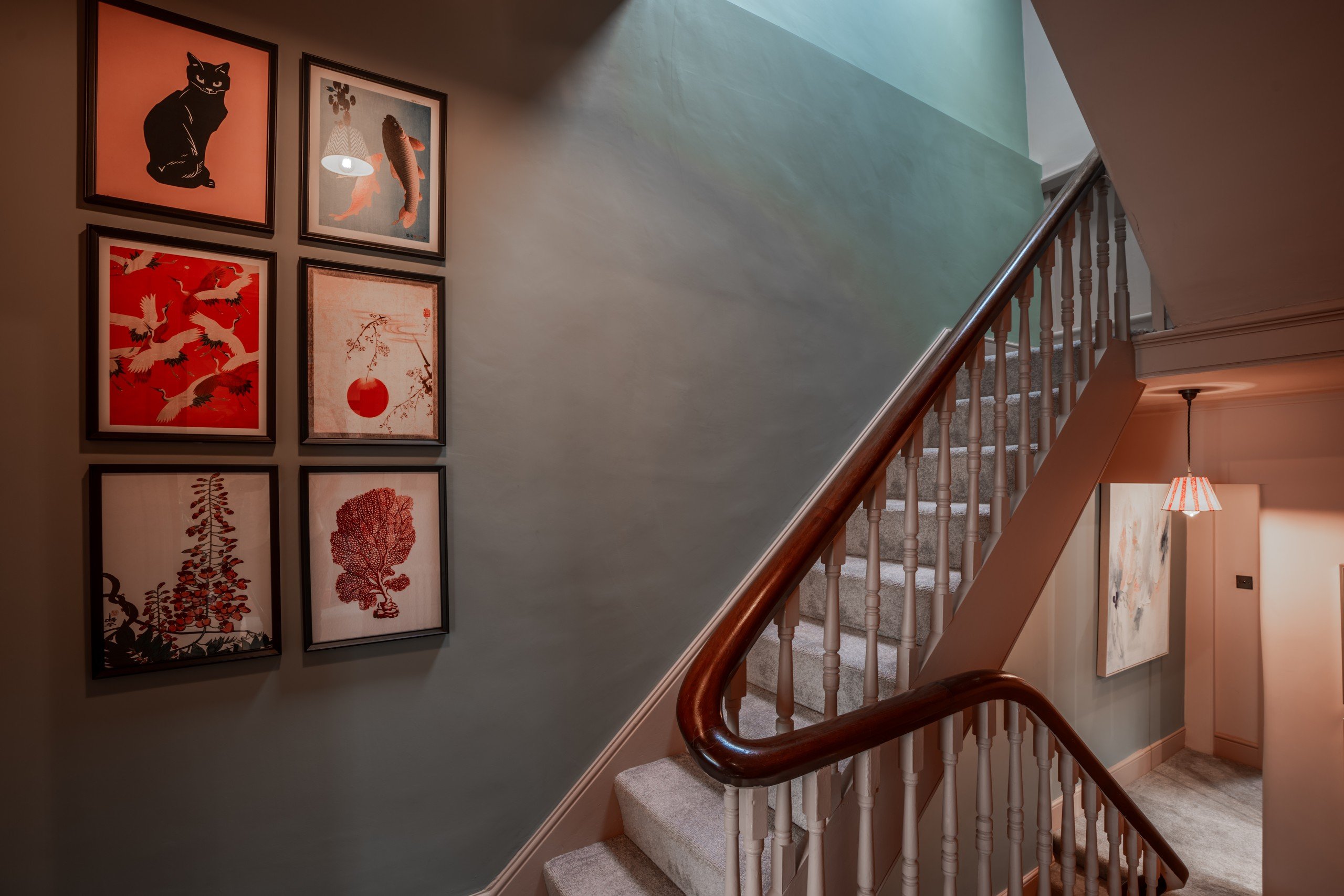
There’s a Better Way to Use Colour in Property
You don’t have to go wild with colour to create impact. But you do need to understand how it works and how it affects buyer psychology.
A carefully considered palette can and should be one of the most powerful tools in your design toolkit; especially when it comes to influencing buyer behaviour and speeding up the sale process.
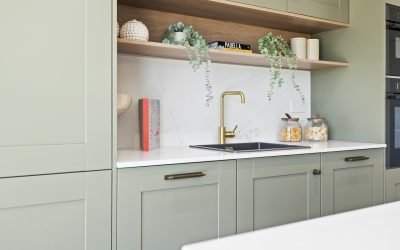
That’s why, at WildKind, we tailor every palette to suit the property’s layout, lighting, and ideal buyer. And yes, we still use neutrals but the right neutrals, in the right places, supported by tones that lift, energise or calm, depending on the goal.
If You’ve Already Gone Grey, Don’t Panic
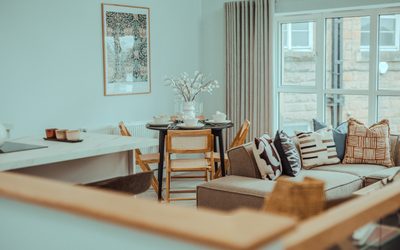
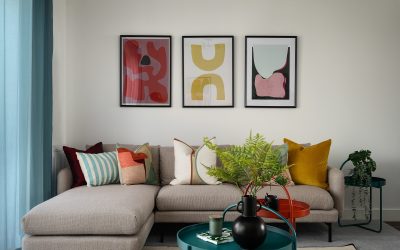
If your property’s already painted top to toe in grey, don’t worry. A well-executed staging plan can introduce warmth and colour through furniture, art, and accessories to transform the space.
But if you’re still in the design phase? Even better.
Let’s get it right from the start.
Final Thought: Grey Isn’t Risk-Free
Sticking to grey might feel like a low-risk move but in reality, it could be costing you time, offers, and profit.
You don’t need to become an expert in colour psychology. That’s my job.
Yours is knowing when to bring someone in who is.
Want to chat about using colour to sell your next project faster? Get in touch here.